
While Kansas allows most adults to carry a concealed weapon or open firearm without a permit, weapons laws in the state cover far more than just handguns and rifles. State law restricts many types of weapons, including certain knives, impact tools, explosives, and modified devices, and sets strict rules on who can carry them and where they can be taken.
If you or a loved one is in jail facing a weapons offense, understanding how Kansas defines these charges is the first step toward getting out on bail.
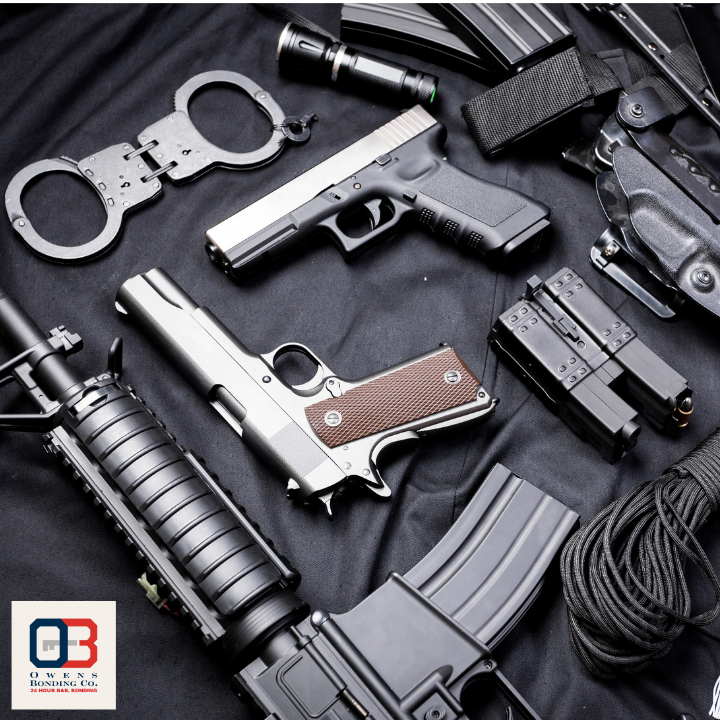
What Is a Weapons Offense?
In Kansas, a weapons offense charge generally falls under a crime called Criminal Use of Weapons (K.S.A. 21-6301) or Criminal Possession of a Firearm (K.S.A. 21-6302).
A person is usually charged with a weapons crime for one of three main reasons:
- Who you are: Certain people (like convicted felons or illegal drug users) are legally banned from owning or holding a gun.
- Where you are: Bringing a weapon into restricted places—like a courthouse, school zone, or private business with “No Weapons” signs—is illegal.
- Your status at the time: Carrying a gun or dangerous weapon while under the influence of alcohol or drugs is against the law.
What Weapons Are Considered Offenses in Kansas?
Under Kansas law*, you can face a weapons offense for owning, carrying, or using any of the following:
1. Prohibited Handheld Weapons & Impact Tools
Kansas bans the manufacture, sale, or possession of certain close-combat weapons:
- Brass or Metal Knuckles: Metal rings attached together designed to increase hand-striking force.
- Bludgeons & Sand Clubs: Weighted clubs, heavy sap gloves, or leather bags filled with shot or sand used to strike someone.
2. Illegal Firearms, Attachments & Ammunition
While standard handguns, rifles, and shotguns are legal for law-abiding citizens, certain firearm modifications and ammo types trigger severe felony charges such as:
- Automatic Machine Guns: Any firearm that continues to fire automatically by holding down the trigger (without proper federal NFA permits).
- Plastic-Coated Handgun Ammo: Specialty armor-piercing bullets with a plastic coat and less than 60% lead weight core.
3. Dangerous Blades Used Unlawfully
Kansas removed general knife bans in 2013, making items like switchblades and pocketknives legal to carry. However, carrying items like daggers, stilettos, straight razors, or billies with the intent to use them unlawfully against another person remains a Class A misdemeanor.
4. Explosives, Traps & Chemical Weapons
- Explosive or Incendiary Devices: Bombs, grenades, mines, or homemade explosive compounds.
- Spring Guns: Setting an unattended trap gun designed to shoot when triggered by a tripwire.
- Noxious Gas & Chemical Projectors: Carrying tear gas or chemical bombs with intent to harm others (pepper spray carried strictly for self-defense is exempt).
*Always double check the Kansas law for any updates.
Common Types of Weapon Charges in Kansas
A weapons offense can range from a minor infraction to a high-level crime, depending on your criminal history and the situation. Learn more about how many misdemeanors it takes to get hit with a felony charge here.
- Carrying a Weapon Under the Influence
Carrying a concealed or open firearm while drunk or high on drugs is a Class A misdemeanor.
- Criminal Possession of a Firearm by a Felon
If you have a past felony conviction on your record, state and federal laws prohibit you from having a firearm.
- Possessing Prohibited Weapons or Devices
Owning or carrying prohibited weapons (like machine guns or explosives) can lead to immediate felony or high-level misdemeanor charges depending on the item.
Is a Weapons Offense a Misdemeanor or a Federal Charge?
A weapon offense charge can be handled in state court or moved to federal court:
- State Misdemeanors & Felonies: Most weapon arrests in Kansas are state-level cases handled in local district courts. If you face a standard violation, you will usually need to post a misdemeanor bail bond or felony bail bond to be released.
- Federal Weapon Offenses: If a crime crosses state lines, involves a stolen firearm, or violates federal laws (such as a felon possessing a gun under 18 U.S.C. § 922), federal prosecutors may take the case. Federal charges carry stiffer mandatory prison sentences and require specialized federal offense bail bonds.
Frequently Asked Questions
Can a deadly weapon charge be dropped?
Yes, but only if the prosecution lacks evidence. A lawyer may get charges dropped if they prove the weapon was illegally searched by police, if you were not actually in possession of the weapon, or if the item does not legally count as a deadly weapon.
Can you get a bail bond for a weapon offense charge in Kansas?
Yes. Most people arrested on a weapons offense in Kansas are eligible for bail unless they are held on a non-bailable federal warrant or violent felony hold.
What should you do if a loved one is arrested for a weapon charge?
- Find out where they are held: Check the local county jail roster or inmate search tool.
- Do not talk about the case over jail phones: Jail calls are recorded and can be used by prosecutors.
- Contact a bail bond agent: A licensed agent can post bail quickly so your loved one can prepare their defense from home.
Need Help Posting Bail for a Weapons Offense?
An arrest for a weapon offense charge can be scary and confusing, but you do not have to sit in jail while waiting for your court date.
Owens Bonding provides fast, confidential, 24/7 bail bond services across Kansas. Call our experienced agents today at (866) 830-2663 or find a local bond agent near you to get your loved one back home.