
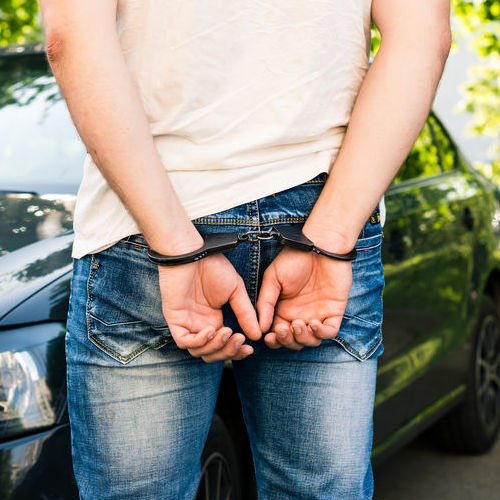
The short answer is yes. In nearly all cases, if you are arrested and charged with a misdemeanor charge, the court will set a bail amount that allows you to be released from custody while you await trial.
Bail Bonds exist to serve two main purposes: to ensure public safety and, most importantly, to guarantee the defendant shows up for their court date. Since misdemeanors are considered less serious, the bail amounts set are usually much lower than the amounts required for a felony offense.
How Misdemeanor Classes Affect Bail
Courts often look at the severity of the crime when setting the bail amount. Misdemeanors are typically divided into different levels, or classes of misdemeanors, depending on the state. For example, in Kansas, they are classified as Class A, Class B, and Class C:
- Class A Misdemeanors: These are the most serious type (e.g., DUI). They carry the longest potential jail sentence (up to one year) and, therefore, may have a higher bail amount.
- Class C Misdemeanors: These are the least serious (e.g., minor traffic violations). The potential jail time is shorter (up to one month), and the bail amount is typically the lowest.
The more serious the specific misdemeanor charge, the higher the bail is likely to be.
Understanding the Difference Between a Felony and a Misdemeanor
The severity of a crime directly impacts the bail amount. It is helpful to remember the fundamental difference between a felony and misdemeanor, which you can find here.
Because a felony offense carries a risk of years in prison, judges set high bail to ensure the defendant doesn’t try to run away. A misdemeanor charge has less severe punishments, which means the bail is usually lower because the risk of a defendant skipping court is considered lower.
The Type of Bond Used for Misdemeanors
For minor misdemeanor charges, a judge may decide to release the person without needing cash bail at all. This is known as a Release on Recognizance (ROR) or a personal bond. This means the person simply promises in writing to appear in court. This is the simplest type of bond.
However, if bail is required, you have two main options:
- Pay the Bail: The court will ask that you pay the entire amount of bail directly. However, the court does typically take any fines, fees or court costs off the full bail amount, which should be addressed prior to paying. That’s why this next option is recommended.
- Use a Bail Bond Company: Contact a company like Owens Bonding Co to help address bail bonding fees. A bonding company will ask for a non-refundable fee (usually about 10% of the bail amount) and will help facilitate the cost of bail, less the fees mentioned above.
What Happens if You Cannot Afford Bail?
Unfortunately, if you cannot afford to pay the required misdemeanor bail or felony bail, you must remain in jail until your scheduled court date. Since it can sometimes take months before a trial is set, many people choose to work with a bail bond service to get out of jail quickly after they are arrested.
If you believe the amount of bail set by the court is too high for you to afford, your attorney can make a formal request to the court to lower it. However, reducing the bail amount is entirely up to the judge.
Owens Bonding Here to Help
If you or a loved one needs help with bail for any misdemeanor charge in Kansas, contact our team at 866.830.2663 or Find an Agent near you.